Business Context and Strengths
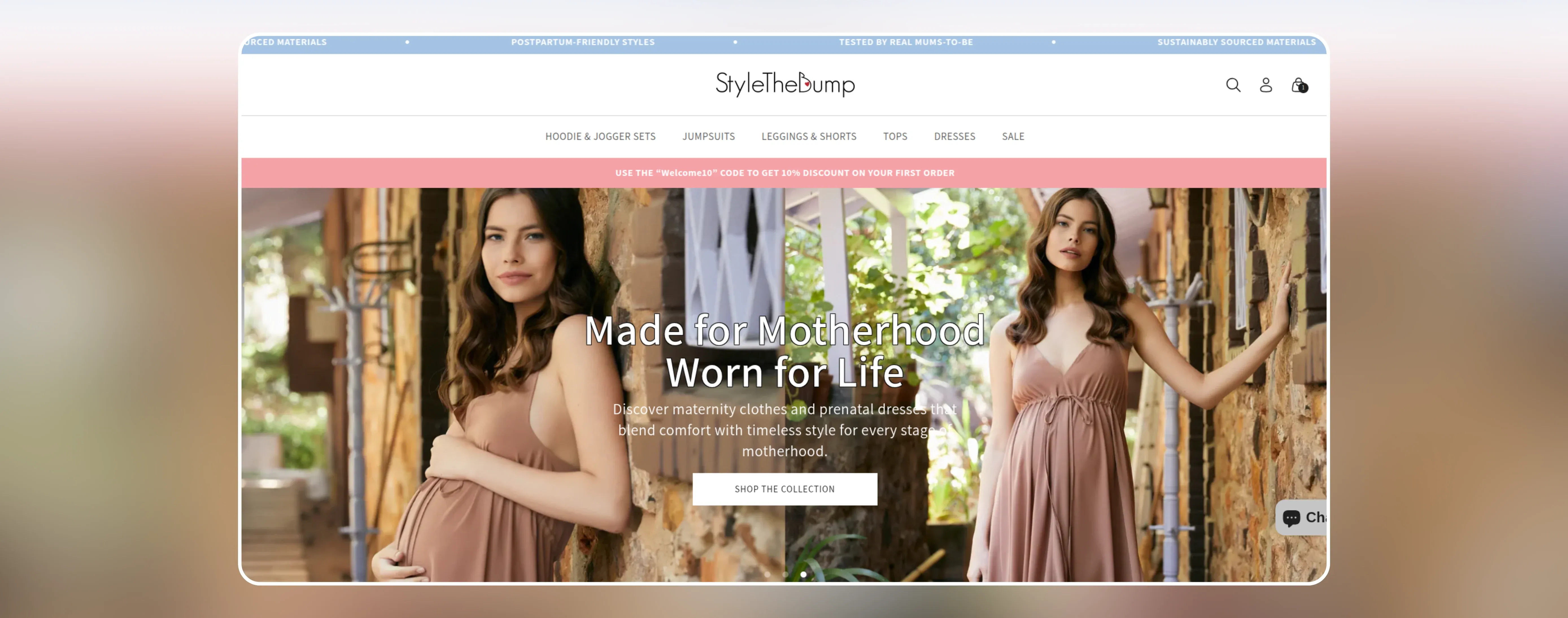
STYLE THE BUMP LIMITED was incorporated in April 2023 with a clear vision. Duygu, the founder, brought extensive experience from the textile industry. She understood fabric quality, fit, durability, and the emotional journey of motherhood from the first thought of starting a family through pregnancy and beyond.
The brand philosophy was strong from day one. Minimal. Sporty. Timeless. Designed to support women through a transitional stage of life without compromising identity.
The product had authenticity. The market opportunity in the United Kingdom was real. Demand for practical yet stylish maternity wear was visible.
What did not exist was a commercial growth infrastructure capable of converting that demand into predictable revenue.
The Commercial Problem
There was no UK optimised conversion system, no integrated tracking architecture, and no phased acquisition strategy. The brand had strong potential but lacked the commercial engine required to convert attention into revenue.
The challenge was not demand. It was structural execution.
There was no clearly defined UK focused funnel, no performance measurement framework, and no visibility into where revenue was being won or lost.
For a founder led business with cash flow sensitivity, this level of uncertainty carries risk. Activating paid ads without validation would have increased spend faster than insight. Without intervention, the likely outcome was inconsistent revenue, rising acquisition costs, and pressure on founder capital.
The NeoSolax Strategy
We approached this as a staged commercial build, not a one time website project.
Stage 1 – Building the Conversion Engine on Shopify
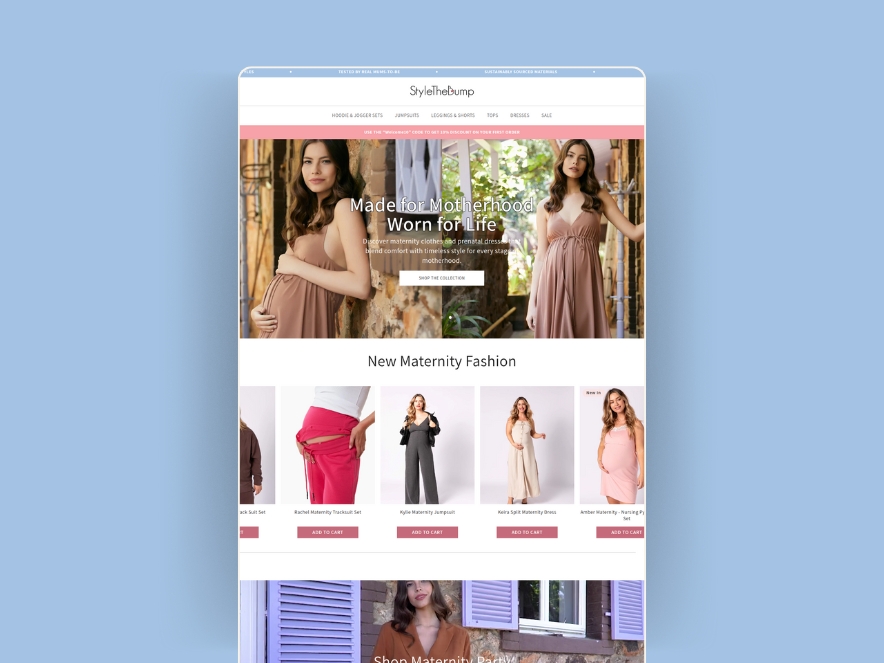
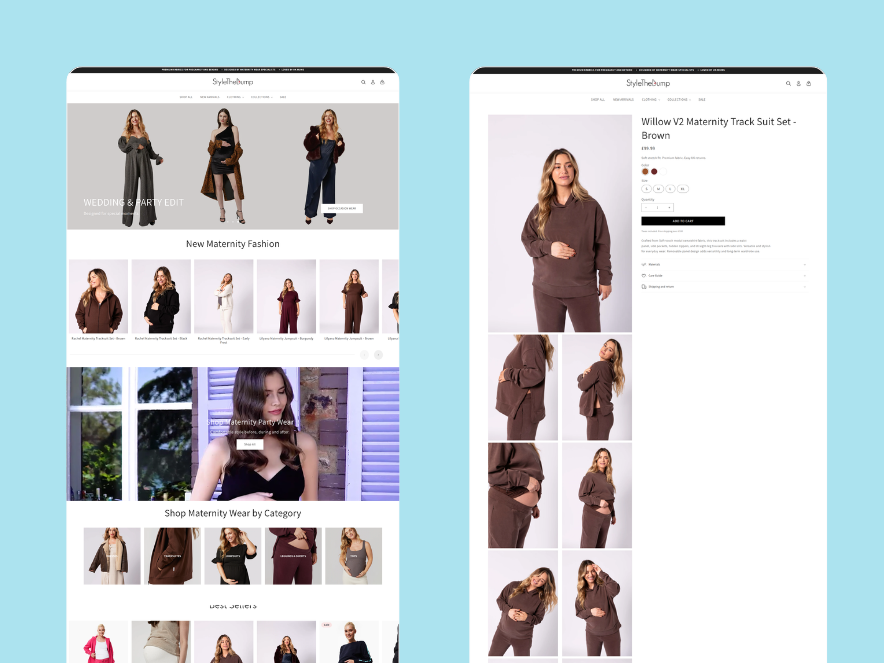
Between August and September 2025, we built a custom Shopify store designed around how pregnant mothers actually browse and buy.
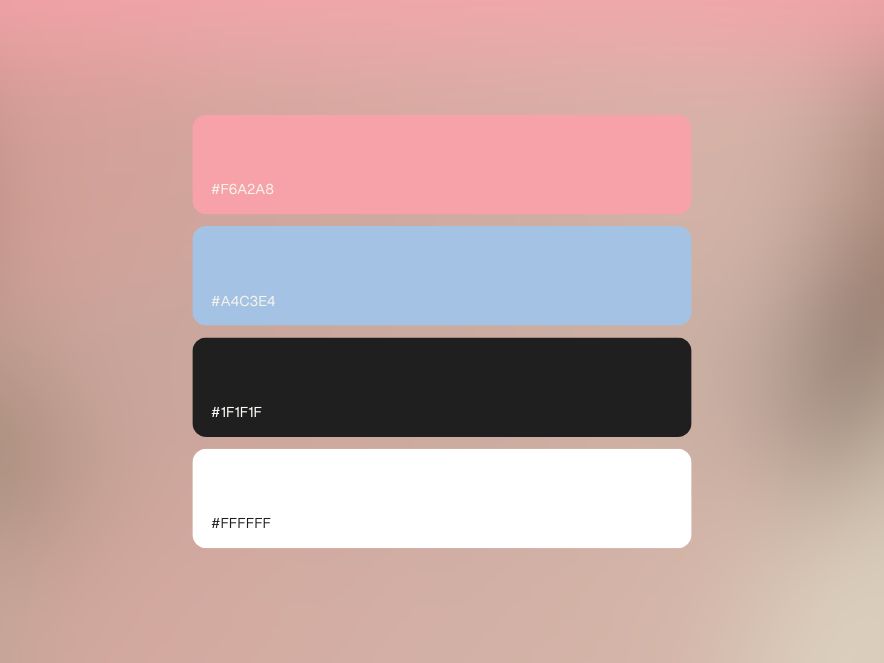
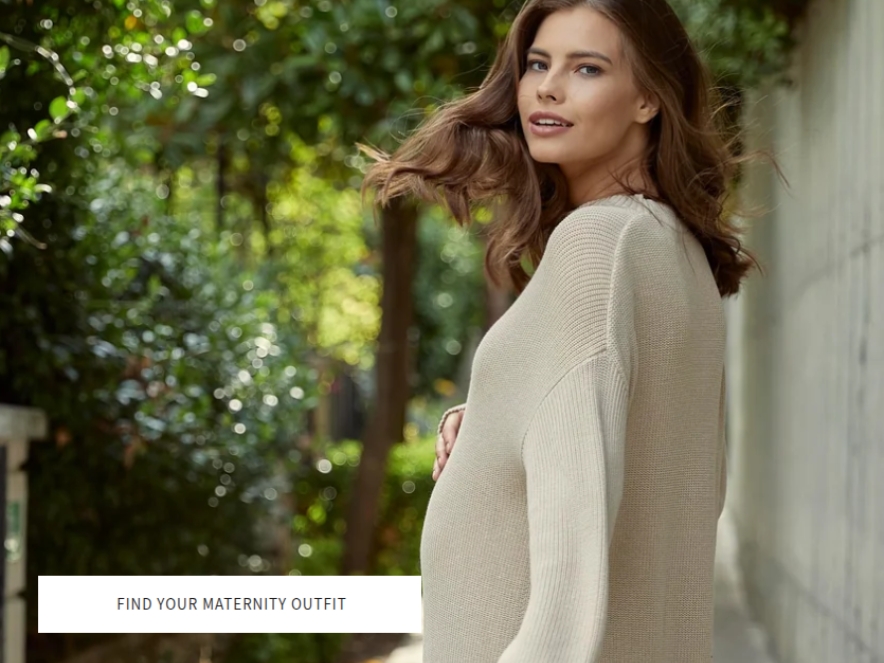
At launch, we chose a simple and calming colour palette. Subtle pink and blue touches were used to gently reflect the emotional association with baby girls and boys. The visual direction was soft, reassuring, and image led.
Clear and simple product photography was prioritised. No visual clutter. No distraction. The goal was clarity and emotional comfort.
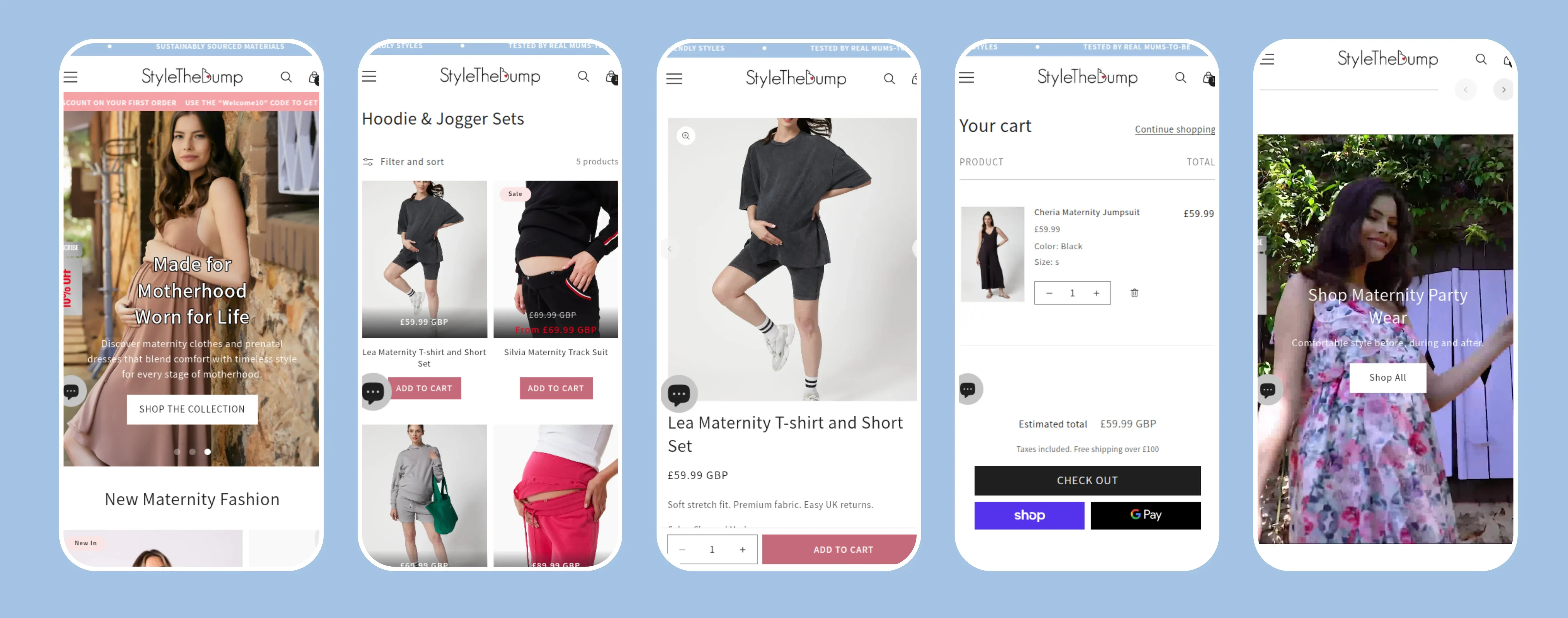
Over 80 percent of early traffic was expected to come from mobile. We built mobile first.
- Clean vertical product presentation
- Image driven landing pages
- Large, easy to use call to action buttons
- Clear sizing guidance
- Simplified checkout flow
Every decision reduces friction.
Navigation was carefully structured following research and internal workshops. Categories were simplified. Product discovery was intuitive. Users could move from homepage to checkout with minimal cognitive load.
We launched with a controlled, structured foundation. We built the engine before adding fuel.
Stage 2 – Tracking Infrastructure Before Scaling
Before scaling any acquisition channel, we implemented full tracking across Meta, Google, TikTok, and Pinterest.
We structured event tracking across the entire funnel:
- View content
- Add to cart
- Checkout initiation
- Purchase
Each stage could be measured, analysed, and optimised. Scaling without measurement is gambling. We do not gamble with founder capital.
Data came before scale.
Stage 3 – Funnel Led Paid Media Rollout
We did not immediately push aggressive sales campaigns.
For the first three months, we allowed the site to run under controlled acquisition activity. We launched awareness, traffic, and engagement campaigns first. Budgets were deliberately modest. Creatives were tested. Messaging angles were evaluated.
Then we introduced sales campaigns. We analysed behavioural data deeply.
If add to cart was high but checkout initiation dropped, we investigated cart friction.
If checkout initiation was strong but payment completion fell, we reviewed trust signals and payment flow clarity.
If click through rate was strong but purchase conversion weak, we assessed landing page alignment.
We identified friction. We fixed friction. We iterated. We validated.
Stage 4 – Conversion Optimisation Based on Real Behaviour
After reviewing the first three months of funnel data, we implemented strategic refinements.
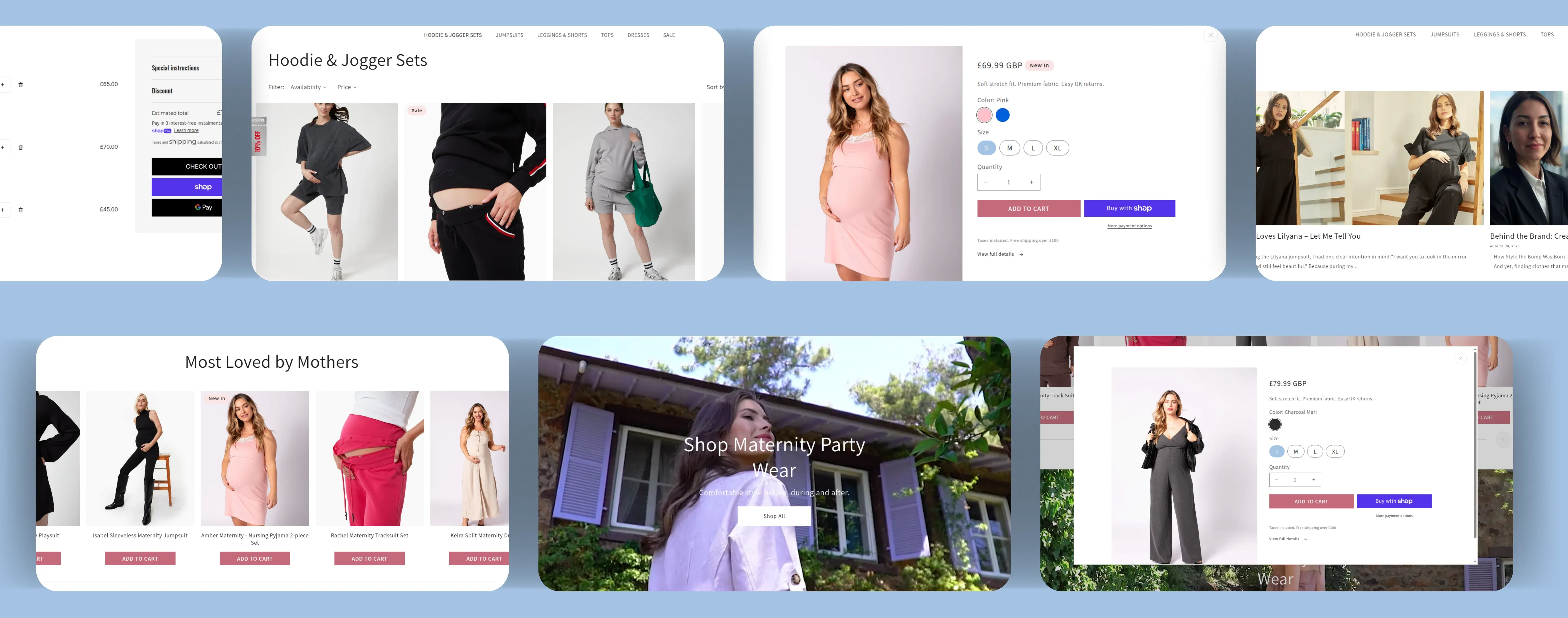
- Floating add to cart buttons were introduced on mobile
- Email subscription blocks were removed from product pages to protect primary purchase focus
- Abandoned cart flows were implemented carefully to avoid disturbing the user journey
- A pop up mini checkout was introduced to smooth the transition from cart to payment
The objective was not adding features. It was removing hesitation.
We enhanced landing pages to display broader colour variations and product imagery. This gave visitors the sense of depth and assortment, reducing the psychological concern of buying from a new brand.
Perception influences trust. Trust influences conversion.
Only once conversion behaviour stabilised and abandonment reduced did we increase acquisition pressure.
Stage 5 – Google as Acceleration Channel
Google Ads was not used for testing. It was introduced only after the funnel demonstrated predictability. Once abandonment reduced and conversion patterns stabilised, Google became the acceleration layer.
We captured high intent maternity search demand. We expanded through Shopping campaigns. We layered upper funnel reach only where commercial signals justified it.
Google was positioned as acceleration, not experimentation.
Stage 6 – Organic and SEO Layer
Alongside paid acquisition, we developed the organic layer. Organic social built familiarity among mothers navigating pregnancy.
SEO targeted high intent maternity searches in the UK market, reducing long term dependency on paid channels and building a compounding demand layer.
Paid media drove structured growth. Organic built durability.
Measurable Results
Within six months of engagement:
- The business achieved positive gross profit
- The commercial foundation stabilised
- Revenue became predictable rather than sporadic
- Projected monthly revenue reached £10,000 to £20,000
This growth was not driven by artificial spikes or discount heavy tactics. It was built on structured validation and disciplined scaling.
What Made This Different
A typical approach would have been:
- Build a site
- Turn on ads
- Increase spend
That approach prioritises activity over structure.
Our approach prioritised certainty
- We built the conversion foundation first.
- We implemented full tracking.
- We validated the funnel.
- We optimised drop offs.
- We scaled only after proof.
- We protected founder capital at every stage.
The highest leverage decision was building structured conversion architecture before scaling acquisition. That single decision reduced risk and created long term stability.
Closing Strategic Insight
Growth is not created by increasing spend. It is created by increasing certainty.
Our model is simple:
- Build the conversion foundation first.
- Validate the funnel second.
- Scale acquisition third.
Marketing must behave like an investment, not an expense. Style The Bump did not need more marketing. It needed a system that earned the right to scale. That is what we built.